ABOUT
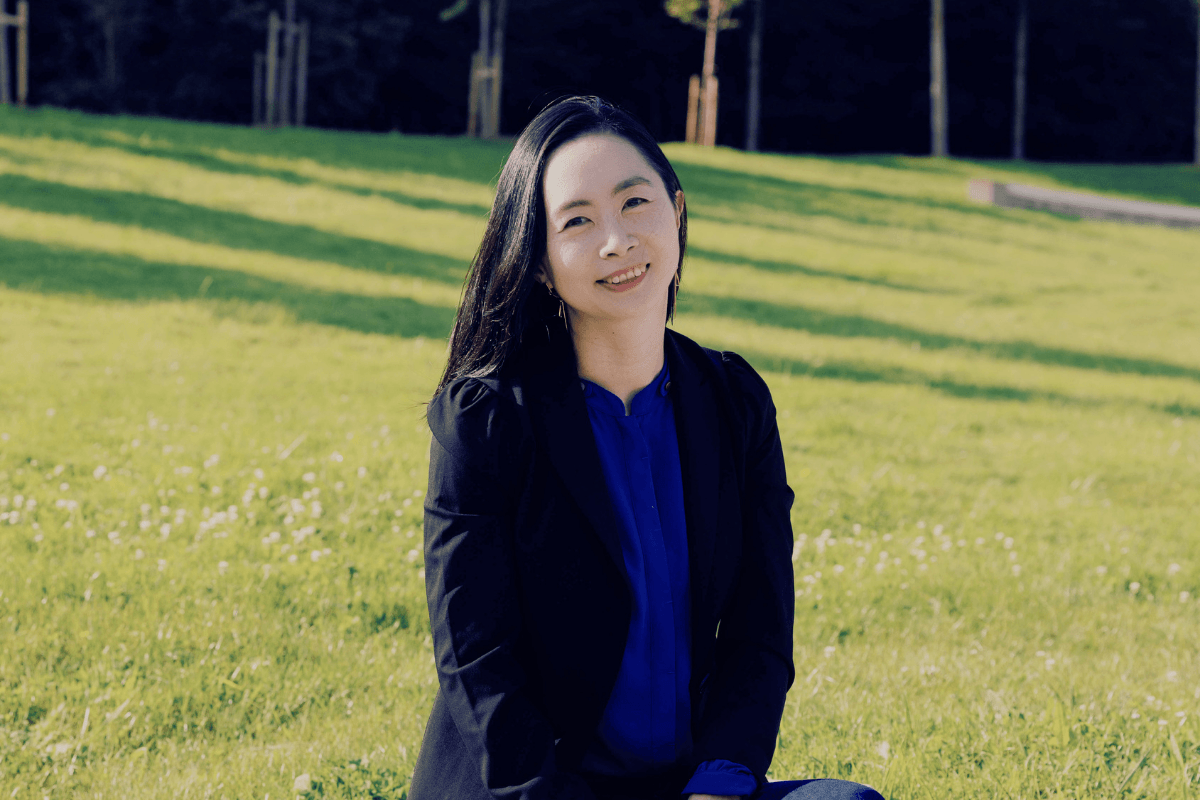
About Eliza
People often assume that living abroad is a confidence-building experience.
In many ways, it is. You navigate unfamiliar systems, build a life from scratch, and adapt to environments that once felt impossible to read. Over time, you become capable of things you never imagined.
But there is another side to the story that is rarely named.
Sometimes, the more successfully you adapt, the further away you feel from yourself.
Eliza has lived, studied, and worked across South Korea, America, Australia, Taiwan, Macau, and France. She attended international schools, earned a master's degree from the University of Sydney, and spent years learning to navigate professional and social life across multiple languages and cultures.
From the outside, it looked like exactly the kind of international life people admire.
From the inside, there were years of quietly losing the thread of herself.
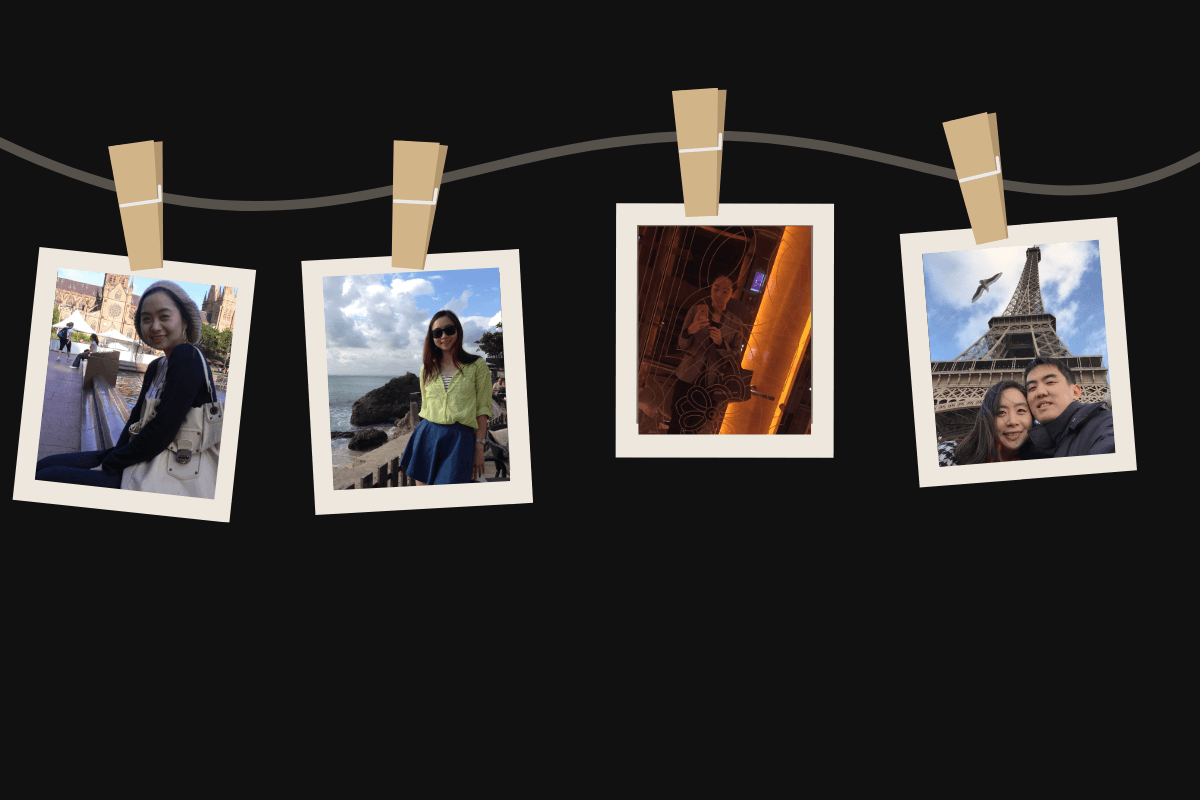
ELIZA IN SYDNEY, TAIPEI, MACAU, PARIS
One of the most clarifying moments came after she became fluent in French. She had believed, as many women do, that confidence would return once the language was no longer a barrier. It did not.

Even after fluency, people continued to see her through the lens of their first impression. Because she had been quiet when she arrived, she was perceived as shy long after she had found her voice. Because she was foreign, she was treated as a visitor long after she had built a life. In social settings, in professional environments, in everyday conversations - attention moved toward the native speaker beside her. Questions were redirected. Assumptions were made before she had the chance to speak.
The challenge was no longer language. It was what years of being perceived through other people's assumptions had done to her own sense of self.
This pattern became even clearer through her work as an educator.
Eliza has been teaching Korean and English since 2016, working with students, professionals, and international learners across diverse industries including technology, hospitality, aviation, and corporate environments. In 2023, she formally established Joa Academy.
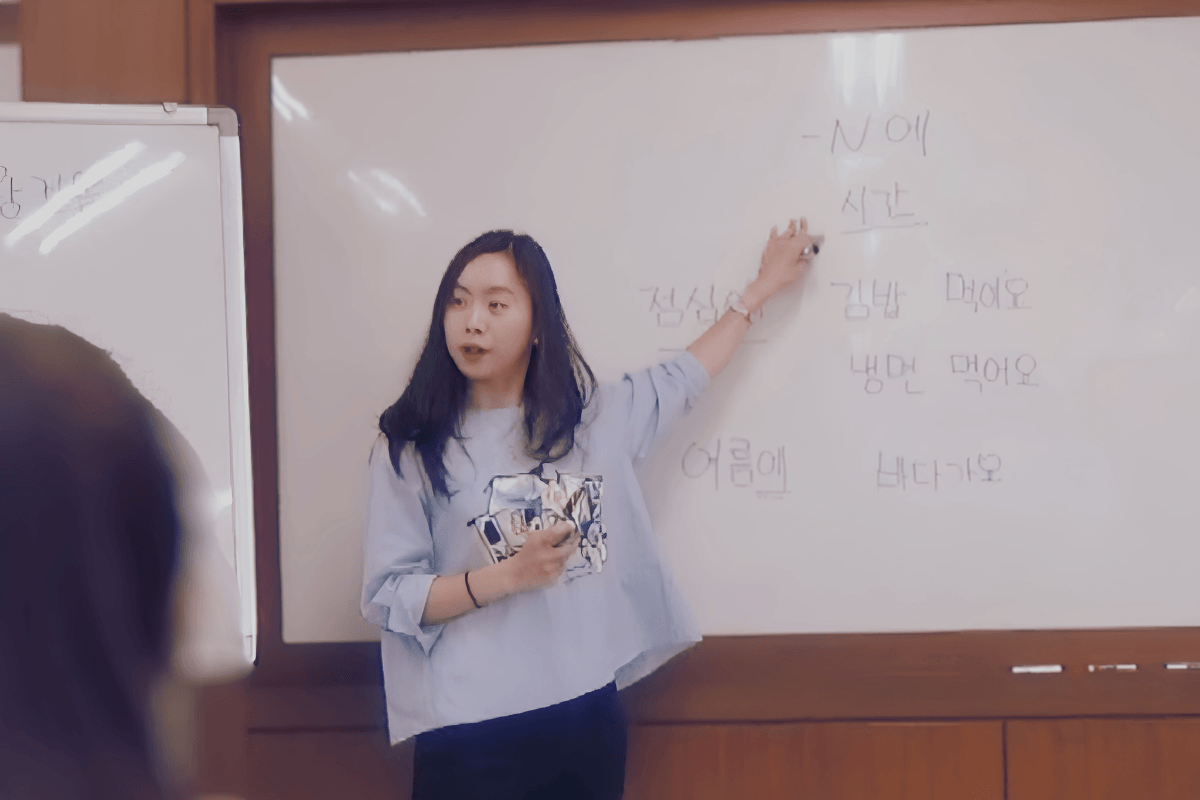
What she observed, again and again, was that students came seeking language skills but were often facing something deeper. They were not only learning how to communicate. They were trying to reconnect with the version of themselves that felt capable, articulate, and fully present.
A language challenge was becoming an identity challenge.
This understanding is the foundation of CENTERED.
Eliza's work is not focused on motivation, performance, or becoming a different person. It is about helping international women rebuild self-trust, restore their internal authority, and return to who they are beneath years of adaptation.
Living across languages and cultures can change many things. Some of those changes are worth keeping. But it should never require a woman to lose the most essential parts of herself in the process.